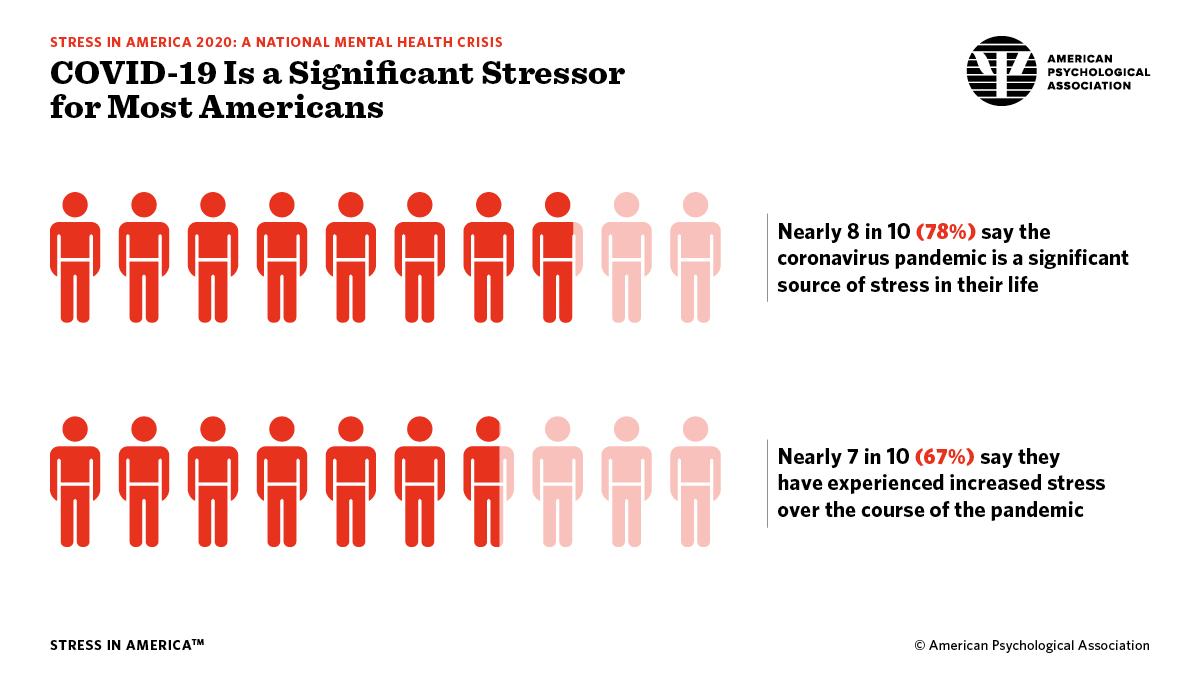
Life is stressful for most working professionals right now. Americans are dealing with a pandemic, a recession, and significant political strife. According to the American Psychological Association, Nearly eight in 10 adults (78%) say the coronavirus pandemic is a significant source of stress in their lives and two in three adults (67%) say they have experienced increased stress over the course of the pandemic. This stress is bound to take a toll on people’s relationships and interactions with others, both personal and professional, causing them to do and say things they may not normally say or do, creating tension in their relationships. Ultimately leading them to need to apologize.
It’s important to know how to apologize no matter what is going on in the world, but especially now, when our negative interactions with people may impact them more significantly as they deal with added hardships. A genuine apology can have the amazing ability to make our clients and coworkers feel cared for and if for nothing other than purely selfish reasons, boost our reputation and allow us to continue to comfortably interact with the apology recipient.
- Acknowledge Your Wrongdoing
Acknowledging your mistake is the first and most important part of delivering an effective apology. This requires taking full responsibility for what you may have said or done to negatively affect that person, not just picking and choosing aspects to acknowledge. You should also acknowledge the effect your actions may have had, like causing the recipient to experience negative emotions or distrust you. Acknowledging your mistake is your chance to express empathy to this person and empathy is the most effective way to make the recipient feel heard and understood, automatically making them more receptive to your apology.
- Don’t Rationalize or Justify
Your apology will immediately become more ineffective when you try to justify your actions, it cancels out any positive effect the acknowledgement may have had because it directly contradicts taking responsibility for your actions. Rationalizing or justifying your behavior will probably alienate the recipient, leading to more tension in the relationship.
- Come with an Action Plan
Let the recipient know how you plan to prevent this mistake from happening again. It will show how much thought you’ve put into making amends if you come to the conversation with ideas on how to proactively avoid a negative situation. This could also be an opportunity to work with the recipient and see if they have any ideas on how to improve the situation.
- Don’t come with expectations
Sometimes, even when we deliver the most genuine, well-thought-out apologies, our recipient won’t hear it or won’t forgive us. Be prepared to accept this reaction as we can’t expect or force the recipient to continue the relationship with us. In the event that this happens, try to learn from this experience and apply your knowledge to your other important relationships.
 Jessie Schirrick